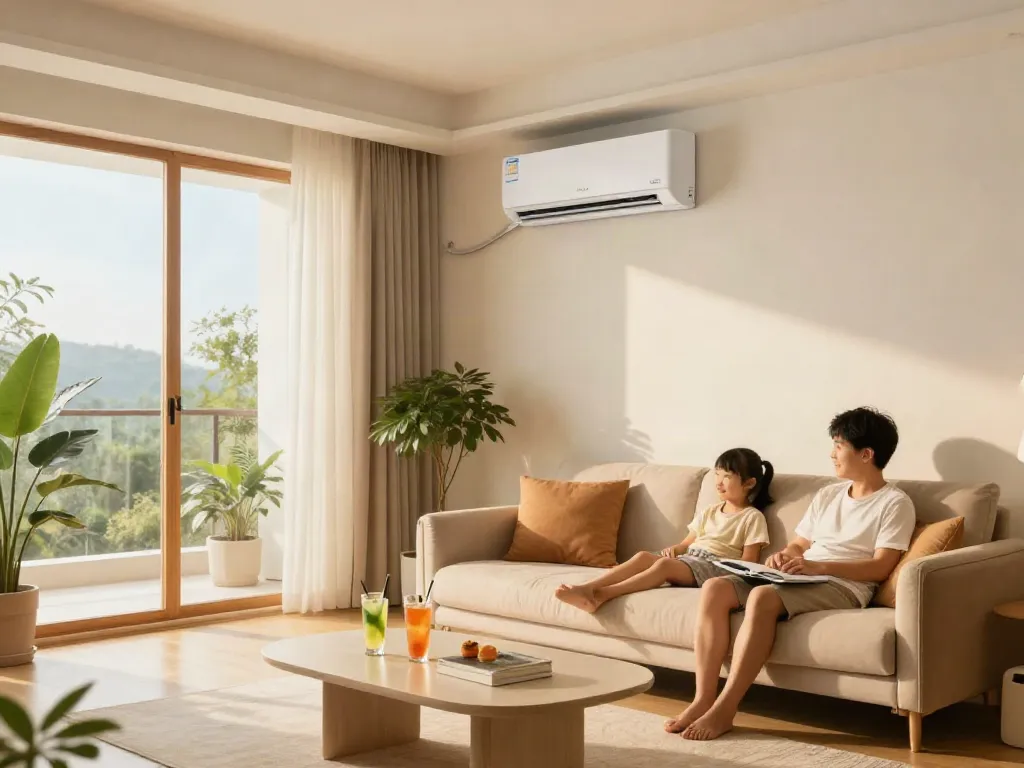
Understanding Mini Split Systems
In today's competitive market, homeowners are increasingly looking for efficient and adaptable heating and cooling solutions. One such option that has gained significant popularity is the mini split system. These compact units offer a versatile approach to climate control, allowing users to customize their indoor environments while minimizing energy consumption. Understanding mini splits is essential for anyone considering upgrading their HVAC system or exploring new energy-efficient alternatives.
What is a Mini Split?
A mini split, also known as a ductless mini-split system, is an air conditioning and heating solution that provides temperature regulation without the need for ductwork. Composed of two primary components—the outdoor compressor unit and one or more indoor air-handling units—mini splits offer the flexibility to control the temperature in individual rooms or zones. This zoning capability is one of the key reasons why many homeowners are opting for mini splits over traditional HVAC systems.
How Do Mini Splits Work?
Mini splits operate using a simple refrigeration cycle that involves the movement of refrigerant between the outdoor and indoor units. In cooling mode, the refrigerant absorbs heat from the indoor air and transfers it outside, while in heating mode, it extracts heat from the outside air and delivers it inside. This dual functionality makes mini splits an attractive option for year-round climate control.
Benefits of Mini Split Systems
- Energy Efficiency: Mini splits are known for their energy-efficient operation, often achieving higher SEER (Seasonal Energy Efficiency Ratio) ratings compared to traditional systems.
- Zoning Capabilities: With the ability to install multiple indoor units connected to a single outdoor compressor, you can create individualized climate zones throughout your home.
- Space-Saving Design: The compact nature of mini splits allows for easier installation in locations where traditional ductwork would be impractical.
- Quieter Operation: These systems typically operate at lower decibel levels than conventional HVAC units, providing a more peaceful indoor environment.
Installation Tips for Mini Split Units
Proper installation is crucial for maximizing the efficiency and lifespan of your mini split system. When considering a new installation, there are several essential factors to keep in mind, including system sizing, installation methods, and common pitfalls to avoid.
Choosing the Right Size Mini Split
Selecting the correct size of the mini split system is vital. An undersized unit will struggle to cool or heat your space, leading to increased energy bills and discomfort, while an oversized unit may cycle too frequently, causing wear and tear and inefficient operation. The mini split sizing process typically involves calculating the BTU (British Thermal Unit) needs based on the room size, insulation quality, and local climate.
DIY vs. Professional Installation
While some homeowners may be tempted to tackle mini split installation as a DIY project, hiring a professional can ensure that the unit is correctly installed and functioning at its best. Professionals have the expertise to properly size the unit, mount it securely, and connect the refrigerant lines, which can mitigate potential risks associated with improper installation.
Common Installation Mistakes to Avoid
Some common mistakes during installation include:
- Neglecting to follow manufacturer guidelines for placement and mounting
- Failing to provide adequate insulation for refrigerant lines
- Improper electrical connections
- Overlooking the importance of a proper drainage system for condensate
Mini Split Maintenance Best Practices
To keep your mini split system running efficiently, regular maintenance is essential. These practices will help ensure reliable performance and extend the life of your unit.
Regular Cleaning and Care
Cleaning filters and coils regularly is crucial for maintaining optimal airflow and efficiency. Most manufacturers recommend cleaning or replacing filters monthly, especially during peak usage seasons. Additionally, ensuring that the outdoor unit is free from debris can help prevent overheating and ensure proper operation.
Monitoring System Performance
Keep an eye on the performance of your mini split system. Unusual noises, fluctuating temperatures, or increased energy consumption can indicate that your system needs attention. Regular monitoring allows you to catch potential issues early, saving on costly repairs in the long run.
Identifying Common Issues
Common issues that mini split owners may encounter include:
- Refrigerant leaks
- Circuit board or electrical failures
- Frozen indoor coils due to reduced airflow
- Faulty remote controls or user interfaces
Energy Efficiency and Cost Savings
One of the most appealing aspects of mini split systems is their potential for energy savings. As energy costs continue to rise, understanding how these systems contribute to savings is essential for budget-conscious homeowners.
How Mini Splits Save Energy
Mini splits use inverter technology, allowing the compressor to adjust its speed based on the cooling or heating demand. This variable-speed operation significantly reduces energy consumption compared to traditional systems that frequently cycle on and off.
Calculating Potential Savings Over Time
Homeowners should calculate energy savings by comparing their current HVAC system's performance with a mini split system. Over time, even though the upfront investment may be higher, the reduction in energy bills combined with available rebates or incentives can lead to substantial long-term savings.
Comparing Mini Splits to Traditional Systems
When comparing mini splits to traditional HVAC systems, it is essential to consider factors such as initial cost, energy efficiency, and the need for ductwork. While traditional systems might have a lower initial cost, the operational costs of mini splits can often outweigh these initial savings, making them more cost-effective solutions in the long run.
Future Trends in Mini Split Technology
The mini split market is continuously evolving, driven by advancements in technology and consumer demand for energy-efficient solutions. Keeping an eye on trends can help consumers make informed decisions about their HVAC choices.
Smart Mini Split Features
Smart mini split systems are becoming increasingly common, allowing homeowners to control their units through mobile apps or smart home integrations. Features like scheduling, remote access, and energy monitoring provide greater control and can lead to even more significant savings.
Innovations in Energy Efficiency
Newer mini split models are continually being developed with advanced energy-saving technologies, such as better insulation materials and more efficient compressors. These innovations promise to improve performance while reducing environmental impact.
Market Predictions for 2026 and Beyond
As the demand for energy-efficient cooling and heating solutions increases, the mini split market is expected to continue growing. New entrants may bring innovative features to the market, and existing manufacturers will likely expand their offerings to include more energy-efficient models.
What are the disadvantages of a mini split?
Some potential drawbacks include the higher initial cost of installation, aesthetic concerns regarding indoor units, and the need for regular maintenance. Understanding these disadvantages can help homeowners weigh their options effectively.
Are mini splits really worth it?
For many homeowners, the long-term energy savings and flexibility of mini splits make them an attractive option. However, individual circumstances, such as home size and climate, should guide this decision.
What does a mini split usually cost?
The cost of a mini split system can range widely depending on the brand, capacity, and installation requirements. On average, homeowners can expect to spend anywhere from $3,000 to $5,000 for a complete mini split system.
Do mini splits work in 100-degree weather?
Yes, mini splits are designed to perform well in extreme temperatures, often up to 100 degrees Fahrenheit and beyond. However, efficiency may decrease at higher temperatures, so it's essential to choose a system rated for high-performance environments.
How to install a mini split?
Installing a mini split involves choosing the right location for the indoor and outdoor units, connecting refrigerant lines, and ensuring proper electrical connections. While DIY options exist, professional installation is recommended for optimal performance and to avoid warranty issues.