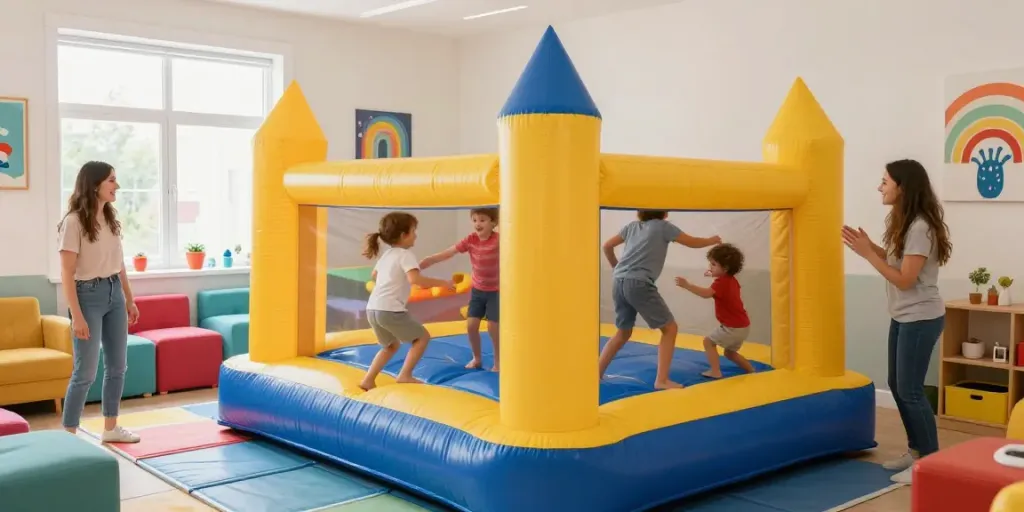
Understanding Indoor Bounce Houses
Indoor bounce houses have become increasingly popular as a source of entertainment for children, transforming spaces into vibrant playgrounds. These inflatable structures are not just for outdoor use anymore; they offer a safe, controlled environment where kids can jump, play, and socialize, regardless of the weather. As families continue to look for engaging ways to keep their children active, the indoor bounce house market has seen significant growth. When exploring options, indoor bounce house products provide comprehensive insights into the best selections available today.
What is an Indoor Bounce House?
An indoor bounce house is an inflatable structure designed primarily for indoor play. These units come in a variety of shapes, sizes, and themes, making them appealing to children of all ages. The primary feature is the air-filled chambers that allow kids to bounce safely on soft surfaces, minimizing injury risks. Designed for spaces such as living rooms, playrooms, and recreational centers, indoor bounce houses offer a fun and engaging activity that promotes physical activity and social interaction.
Benefits of Indoor Bounce Houses for Kids
- Physical Activity: Bounce houses encourage children to engage in physical activity, promoting cardiovascular health and physical fitness.
- Social Skills: These inflatable structures provide an environment for children to interact, share, and develop social skills through group play.
- Safe Play Environment: Indoor bounce houses are built with safety features, such as padded surfaces and enclosed designs, to prevent accidents.
- Imagination and Creativity: Many bounce houses come with themes and added features like slides and obstacle courses that stimulate imagination and creativity.
Popular Types of Indoor Bounce Houses
Indoor bounce houses come in various types, catering to different preferences and age groups. Some popular types include:
- Standard Bounce Houses: Typically feature large jumping areas and are suitable for various ages.
- Bounce House with Slide: Combines bouncing with sliding for added fun and excitement.
- Themed Bounce Houses: These feature popular characters or themes, appealing to children's interests, such as superheroes or princesses.
- Obstacle Course Bounce Houses: Designed for more active play, offering challenges that require climbing, crawling, and jumping.
Choosing the Right Indoor Bounce House
When selecting an indoor bounce house, several factors must be considered to ensure you choose the right product for your needs. The right bounce house can enhance playtime and ensure safety.
Factors to Consider Before Buying
- Size: Measure your available space to ensure the bounce house fits comfortably without being cramped.
- Age Appropriateness: Consider the age range of the children who will use the bounce house to select suitable designs and features.
- Quality and Durability: Look for bounce houses made from high-quality, puncture-resistant materials to withstand energetic play.
- Ease of Setup: Choose a model that is easy to inflate and deflate, with an understandable setup process.
Safety Features to Look For
Safety should always be a priority when choosing an indoor bounce house. Essential safety features include:
- Reinforced Seams: Ensure the seams are well-stitched and reinforced to prevent leaks and ruptures.
- Safety Netting: Opt for models with netting that encloses the bounce area to prevent falls.
- Weight Limits: Always check the manufacturer's weight limits to prevent overloading.
- Anchor Points: Look for bounce houses with multiple anchor points to secure them in place during use.
Space Requirements and Setup
For an indoor bounce house to be effective, it must fit the designated area without overwhelming the space. Measure the height, width, and length of the space before purchasing, allowing additional clearance for safety. Ideally, you want about 2-3 feet of extra space on all sides of the bounce house to accommodate any movement during play. Also, consider the ceiling height, as some bounce houses may be taller than they appear.
Indoor Bounce House Maintenance
Keeping your indoor bounce house in top condition not only prolongs its life but also enhances safety for users. Proper maintenance involves routine cleaning, checking for wear and tear, and appropriate seasonal storage.
Cleaning and Sanitizing Your Bounce House
Regular cleaning is essential, especially if multiple children use the bounce house. Use a mild soap solution to clean the surfaces and sanitize regularly to prevent the spread of germs. It’s recommended to use a wet-dry vacuum to remove debris and dirt, ensuring that the surfaces remain clean and safe for play.
Common Repairs and Maintenance Tips
Like any inflatable, indoor bounce houses can be subject to wear and tear. Common repairs may include patching small leaks and replacing worn-out seams. It's advisable to keep a repair kit on hand for minor damages. Regularly inspect the inflatable for signs of damage, such as punctures or tears, and address them promptly to prevent further issues.
Seasonal Storage Solutions
When not in use, store your bounce house in a cool, dry place, ideally in its original packaging. Avoid storing it in damp conditions to prevent mold and mildew. If possible, keep it elevated off the ground to avoid contact with moisture.
Indoor Bounce House Trends for 2026
The indoor bounce house industry is constantly evolving, with new trends and innovations enhancing the experience for children and parents alike. Staying informed about these trends can help you make educated purchases or rental decisions.
Innovative Designs and Features
In 2026, expect to see a rise in multi-functional bounce houses with integrated features such as interactive games, sound systems, and customizable themes that appeal to various age groups. These innovations are designed to keep children engaged for longer, providing a memorable play experience.
The Rise of Eco-Friendly Materials
With increasing awareness of environmental issues, many manufacturers are now producing bounce houses using eco-friendly, non-toxic materials. These sustainable options not only reduce environmental impact but also prioritize the health and safety of children. Look for certifications that ensure the product meets environmental standards.
Technological Enhancements in Bounce Houses
Technological advancements are also making their way into the bounce house market. Features such as app-controlled lights, sound effects, and interactive gameplay are becoming common, providing an enhanced experience that merges play with technology.
Hosting Events with Indoor Bounce Houses
Indoor bounce houses are perfect for hosting a variety of events, including birthday parties, family gatherings, and other celebrations. Planning around the inclusion of a bounce house can elevate any event, ensuring fun and entertainment for children and parents alike.
Planning Birthday Parties Around Bounce Houses
When planning a birthday party with an indoor bounce house, consider the theme of the party and choose a bounce house that complements it. Engaging decorations, party favors, and activities can enhance the overall experience. Additionally, ensure that there is enough adult supervision to maintain safety while children are playing.
Rental versus Purchase: What’s Best for You?
Deciding whether to rent or purchase an indoor bounce house depends largely on how frequently it will be used. For occasional use, renting may be the most cost-effective option. However, if you plan on using it frequently or for multiple events, purchasing could save money in the long run.
Creating a Fun and Safe Party Environment
For a successful event, create a designated area for the bounce house separate from other activities. Set clear rules for usage, such as limiting the number of children on the inflatable at once, and ensure that safety gear is used where necessary. Having a first aid kit on hand can also provide peace of mind during the festivities.
Are indoor bounce houses safe for toddlers?
Indoor bounce houses can be safe for toddlers, provided they are designed specifically for young children and are closely supervised by adults. Look for bounce houses with lower height limits and softer surfaces to ensure a safer play environment.
What factors should I consider when renting a bounce house?
When renting an indoor bounce house, consider the rental company's reputation, the size and type of bounce house offered, the rental duration, and delivery logistics. Always inquire about safety features and maintenance practices to ensure you are renting a safe, high-quality product.
How do I clean an indoor bounce house?
To clean an indoor bounce house, first, remove any debris or dirt using a wet-dry vacuum. Then, use a mild soap solution to wipe down all surfaces, followed by thorough rinsing. Allow it to dry completely before folding and storing it, ensuring no moisture remains to prevent mold and bacteria growth.
What are the best indoor bounce house brands?
Some of the best indoor bounce house brands known for quality and safety include Bounceland, Little Tikes, and Blast Zone. Researching customer reviews and ratings can also guide you toward reputable brands that meet safety and quality standards.
Can I use an indoor bounce house outdoors?
While indoor bounce houses are designed for indoor use, some can be used outdoors as long as conditions permit. Ensure that the surface is flat and free of debris, and that there is adequate space and supervision to maintain safety. Be mindful of weather conditions, as wind and rain can pose risks.