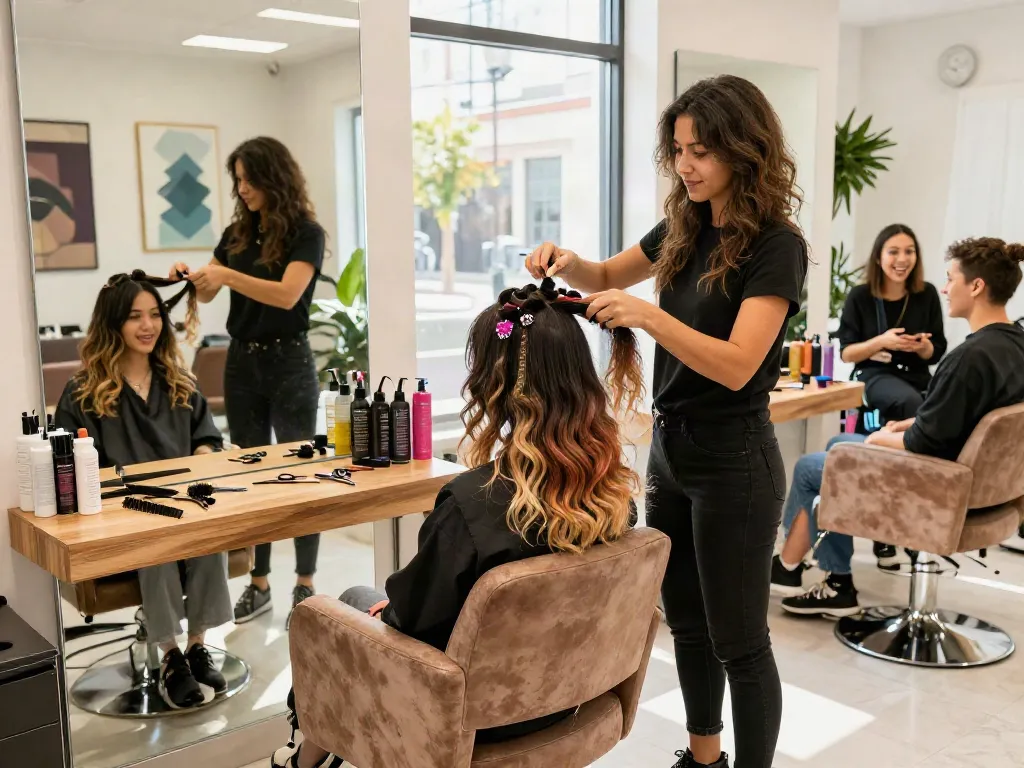
Understanding No Damage Hair Extensions
Hair extensions have taken the beauty industry by storm, offering an instant transformation in length, volume, and style. However, one of the most pressing concerns among users is the potential damage that traditional hair extensions can inflict on natural hair. Enter no damage hair extensions, a growing trend aimed at providing luscious locks without the fear of breakage or hair loss. This comprehensive guide will delve into the various aspects of no damage hair extensions, from their benefits and misconceptions to the best application techniques and maintenance tips.
When exploring options, no damage hair extensions can offer a plethora of solutions for those seeking beautiful hair without the accompanying damage.
What Are No Damage Hair Extensions?
No damage hair extensions are designed with the intention of minimizing harm to your natural hair. They utilize various application methods that avoid the use of harsh adhesives, excessive heat, or tight installations that pull on the hair strands. These extensions are available in multiple types, including clip-ins, tape-ins, halo extensions, and more. Each type is engineered to offer a comfortable fit while promoting the health of your hair.
Benefits of Using No Damage Hair Extensions
- Hair Health Preservation: The primary benefit is the preservation of your natural hair health. No damage extensions help avoid traction alopecia and other types of hair loss caused by traditional extension methods.
- Instant Length and Volume: They provide immediate length and volume, enhancing your hairstyle without the commitment of permanent extensions.
- Easy Application: Many no damage hair extensions can be applied at home with minimal tools, saving time and money on salon visits.
- Versatility: They allow for multiple styles and colors without altering your natural hair permanently.
Common Misconceptions About Hair Extensions
Despite their growing popularity, several myths about hair extensions persist. One major misconception is that all extensions damage hair. While it’s true that poorly applied or maintained extensions can cause problems, no damage options exist to ensure your hair remains healthy. Additionally, some believe that hair extensions are only for special occasions; however, with the right type, they can be a part of everyday styling.
Top Techniques for No Damage Hair Extensions
Best Application Methods Explained
Several methods exist for applying no damage hair extensions, each with its unique benefits:
- Clip-in Extensions: These are temporary extensions that can be easily attached or removed, allowing you to control when you wear them. They are the least damaging as they do not require adhesives or heat.
- Tape-in Extensions: These utilize a special adhesive tape to bond the extensions to your natural hair. They are lightweight and less damaging than traditional sew-in methods.
- Halo Extensions: These innovative extensions sit on the head like a crown and are held in place with a transparent wire, providing a tension-free option.
Comparative Analysis of Different Extension Types
Understanding the differences between these extension types is crucial in making an informed choice:
- Clip-in Extensions: Best for occasional use and easy to apply. Ideal for those who want to avoid damage completely.
- Tape-in Extensions: Suitable for longer wear, providing a more natural look compared to clip-ins, yet still being gentle on the hair.
- Halo Extensions: Great for those with very sensitive scalps, as they do not pull on the hair at all.
Why Clip-In Extensions Are Ideal for Hair Health
Clip-in extensions stand out when considering hair health. Their application does not require any form of adhesive, which can lead to breakage over time. They're especially beneficial for individuals with fragile or thinning hair, allowing them to enjoy enhanced volume and length without the risks associated with permanent installations.
Choosing the Right No Damage Hair Extensions
Factors to Consider When Selecting Extensions
When selecting no damage hair extensions, consider the following factors:
- Hair Type: Match the extensions to your hair type for the best blend. For example, fine hair may benefit from lighter extensions, while thicker hair can handle more weight.
- Color Compatibility: Choose extensions that closely match your natural hair color or can be easily dyed to match.
- Length and Volume: Decide on the length and thickness you want to achieve. Extensions should complement your natural hair rather than overpower it.
Color Matching and Texture Compatibility
Achieving a seamless look with extensions relies heavily on color matching and texture compatibility. Seek extensions that can either be customized or come in a variety of shades. Additionally, ensure the texture of the extensions mimics your natural hair for a more cohesive appearance.
Length and Volume: What Works Best?
Opt for extensions that enhance your existing hairstyle rather than completely transform it. If you have short hair, consider extensions that are 6 to 12 inches longer for a natural flow. For volume, assess how many bundles you may need based on your existing hair thickness.
Maintaining Your No Damage Hair Extensions
Daily Care Tips for Longevity
To ensure your no damage hair extensions last, implement a routine that includes:
- Gentle Washing: Use sulfate-free shampoos and conditioners to prevent drying out the extensions.
- Regular Brushing: Use a wide-tooth comb or a brush specifically designed for extensions to avoid tangling.
- Heat Protection: Minimize the use of heat styling tools, and when used, apply a heat protectant to prevent damage.
Do's and Don'ts of Hair Extension Maintenance
- Do: Schedule regular trims for extensions and maintain the health of your natural hair.
- Don't: Avoid sleeping with wet extensions or using heavy styling products that can weigh them down.
Professional vs. Home Care: What to Know
While home care is essential, seeking professional help for installation or maintenance can significantly extend the life of your extensions. Professionals can provide tailored advice on product usage and styling techniques that best suit your extensions.
Future Trends in Hair Extensions for 2026
Innovations in Hair Extension Technology
The hair extension industry continues to evolve, focusing on reducing damage and enhancing ease of use. Innovations such as better adhesive formulations and lightweight materials are paving the way for healthier options.
Predicted Trends for No Damage Options
In 2026, expect to see a rise in demand for eco-friendly hair extensions, catering to consumers who are environmentally conscious. Additionally, advancements in color technology will allow for more versatile and vibrant shades while maintaining the integrity of the hair.
Expert Insights on Hair Care Evolution
Industry experts believe that the trend towards no damage hair extensions is not just a phase. As more consumers prioritize hair health over sheer aesthetics, brands will likely respond with innovative solutions that further minimize damage.
What are the most common types of no damage hair extensions?
The most common types include clip-in, tape-in, and halo extensions, each offering unique benefits that cater to various lifestyles and hair types.
How do I maintain my no damage hair extensions?
Maintenance involves gentle washing, regular brushing, avoiding heat styling when possible, and ensuring proper storage when not in use.
Are no damage hair extensions suitable for all hair types?
Generally, yes! No damage hair extensions are designed to be versatile, though specific types may be better suited for particular hair textures and conditions.
What are the benefits of choosing clip-in hair extensions?
Clip-in extensions provide flexibility and ease of use, making them ideal for temporary enhancements without damaging your natural hair.
How can I ensure I select the right color for my extensions?
When selecting color, opt for extensions that closely match your natural shade, or consult with a professional stylist for custom blending options.