Understanding Piping Stress Analysis USA
Piping stress analysis is an essential component of engineering design, particularly within industries that utilize extensive piping systems. It evaluates mechanical and thermal stresses in piping structures to ensure safety, integrity, and compliance with industry standards. When exploring options, Piping Stress Analysis USA provides comprehensive insights into the latest methodologies, technologies, and best practices that can enhance project execution and reliability.
What is Piping Stress Analysis?
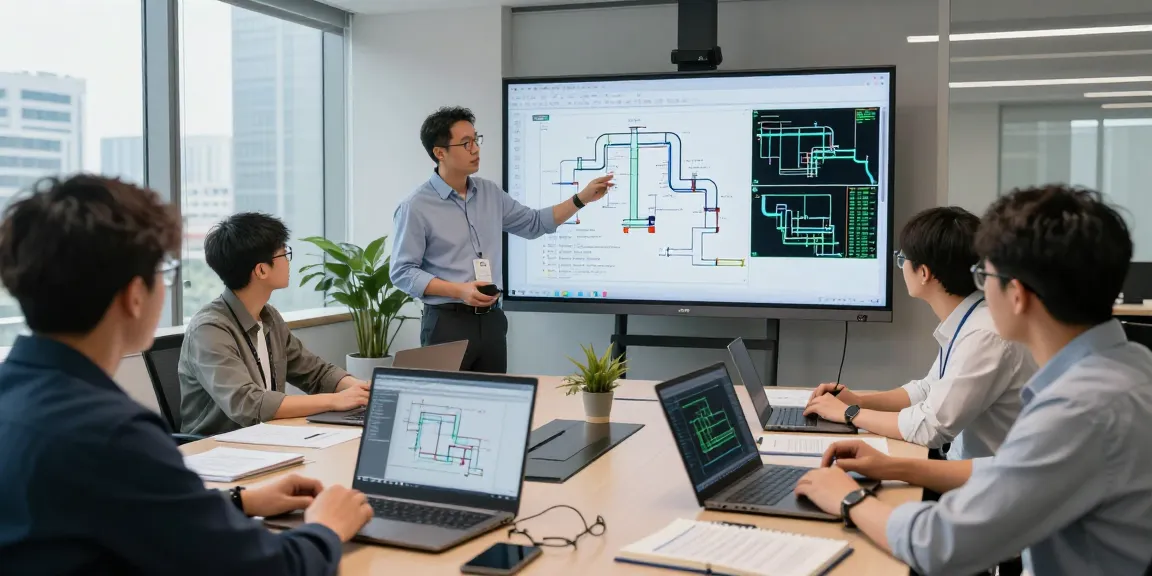
Piping stress analysis refers to the process of examining and calculating the stresses and forces acting on piping systems, considering various factors such as temperature changes, pressure variations, and external loads. The primary objective is to ensure that the piping can withstand these stresses without failure throughout its operational life. Engineers utilize advanced software tools and methodologies, such as CAESAR II and AutoPIPE, to perform these analyses, ensuring that every aspect of the piping system is rigorously evaluated.
The Importance of Piping Stress Analysis in Engineering
Incorporating piping stress analysis into engineering workflows is critical for several reasons:
- Safety: By identifying potential failure points and stress concentrations, engineers can design systems that prevent catastrophic failures.
- Compliance: Many industries, especially the oil and gas sector, have stringent regulations regarding piping systems. Stress analysis ensures compliance with standards like ASME B31.1 and B31.3.
- Cost Efficiency: Early identification of issues during the design phase can save significant costs associated with retrofitting or system shutdowns.
Key Methodologies for Successful Analysis
Successful piping stress analysis relies on various methodologies, including:
- Static and Dynamic Analysis: Both static and dynamic loads must be considered. Static analysis addresses forces like weight and pressure, whereas dynamic analysis evaluates effects from vibrations and seismic events.
- Finite Element Analysis (FEA): This advanced technique simulates physical phenomena to predict how pipes will react to various loads, providing a detailed understanding of stress distribution.
- Thermal Expansion Considerations: Piping systems must accommodate thermal expansion and contraction to prevent undue stress. Proper expansion joints and supports are crucial in the design.
Common Challenges in Piping Stress Analysis
Identifying Critical Stress Points
One of the significant challenges in piping stress analysis is accurately identifying critical stress points within a system. Engineers must thoroughly understand the piping layout and the forces acting on it, including weight loads, pressure, and external influences such as seismic activity. Advanced modeling techniques can assist in this identification process.
Material Limitations and Compliance Issues
Materials used in piping systems have specific limitations, and understanding these is crucial for effective stress analysis. Compliance with industry standards also means that engineers must ensure materials meet the necessary criteria for strength and flexibility under expected operating conditions.
Addressing Thermal Expansion and Flexibility
Thermal expansion can significantly affect the performance of piping systems. Engineers must design systems that can flexibly accommodate movement without leading to excessive stress on joints and supports. This may involve using expansion loops or joints, which can add complexity to the system design.
Best Practices for Piping Stress Analysis USA
Utilizing Advanced Software Tools
Incorporating advanced software tools greatly enhances the accuracy and reliability of piping stress analysis. Programs like CAESAR II and ANSYS offer features that aid in modeling complex systems, allowing engineers to evaluate various design scenarios efficiently and effectively.
Conducting Regular Maintenance and Inspections
Beyond initial design and analysis, ongoing maintenance and inspections are vital for piping systems. Regular assessments can identify wear or changes in performance, ensuring that systems continue to operate within safe stress limits.
Integrating Feedback from Previous Projects
Documenting lessons learned from past projects is essential for improving future piping stress analyses. By integrating feedback and insights from previous work, engineering teams can avoid repeating mistakes and enhance overall project outcomes.
Case Studies: Successful Piping Stress Analysis
Industry-Specific Applications and Results
Analyzing real-world applications of piping stress analysis highlights its importance. For instance, in the oil and gas industry, one company implemented a comprehensive stress analysis for a new pipeline system, which identified critical points that required additional reinforcement, ultimately preventing future operational failures.
Learning from Failures and Successes
Examining case studies of both successful and unsuccessful piping stress analyses provides valuable lessons. For example, a chemical plant experienced a failure due to inadequate stress analysis that did not account for thermal expansion, resulting in a costly shutdown and re-engineering of the affected systems.
Continuous Improvement in Engineering Processes
Establishing a culture of continuous improvement within engineering teams can lead to more effective piping stress analyses. By regularly reviewing and updating methodologies, teams can adopt best practices that enhance project outcomes.
Future Trends in Piping Stress Analysis
Emerging Technologies in the Engineering Landscape
The future of piping stress analysis is likely to be shaped by emerging technologies such as machine learning, which can analyze large data sets from previous projects to identify patterns and improve predictive capabilities. Additionally, the use of virtual reality (VR) for visualizing piping systems in a three-dimensional context can enhance understanding and collaboration among engineering teams.
Predictions for 2026 and Beyond
Looking ahead to 2026, we can expect further advancements in software tools and methodologies for piping stress analysis. As the industry continues to emphasize safety and efficiency, automated systems that integrate real-time data will play a pivotal role in analysis processes.
How to Stay Ahead in Piping Engineering
To stay competitive in the field of piping engineering, professionals must engage in continuous education and training. This includes staying updated on industry standards, attending workshops and seminars, and actively participating in forums that discuss best practices.
What is the role of software in piping stress analysis?
Software plays a crucial role in streamlining the analysis process, providing engineers with the tools needed to perform complex calculations efficiently. It enables the modeling of various scenarios, allowing for a thorough evaluation of potential outcomes based on different stress factors.
How do I choose the right engineering consultant?
Choosing the right engineering consultant for piping stress analysis involves evaluating their experience, qualifications, and previous project success. It’s important to look for firms that have a strong reputation and provide a comprehensive range of services tailored to specific industry needs.
What are common mistakes in piping stress analysis?
Common mistakes include neglecting to account for thermal expansion, failing to identify critical stress points, and choosing inappropriate materials. These errors can lead to significant operational issues if not addressed during the design phase.
How can I ensure compliance with industry standards?
Ensuring compliance involves staying current with industry regulations and guidelines, regularly reviewing your design processes, and utilizing software tools that incorporate the latest codes and standards, such as ASME or CSA.
What are the benefits of early-phase stress analysis?
Conducting stress analysis in the early phases of project design allows engineers to identify and address potential pitfalls before construction begins, ultimately reducing costs and time delays associated with retrofitting or redesigning systems post-installation.